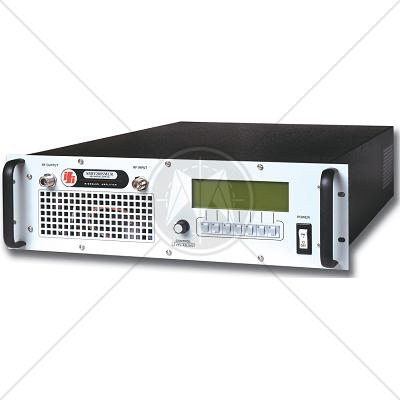
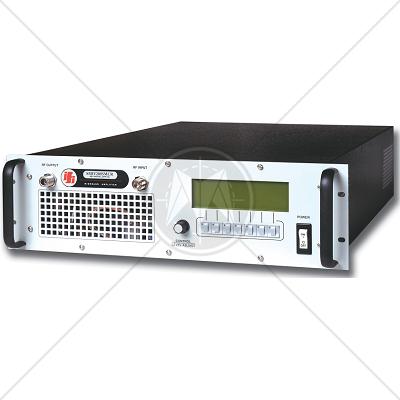
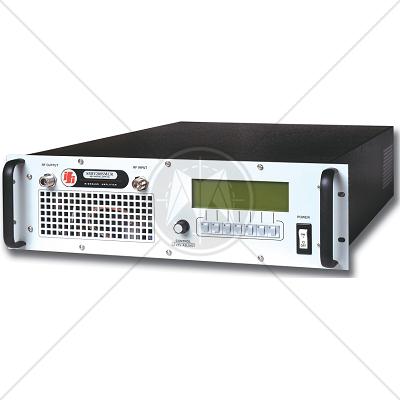
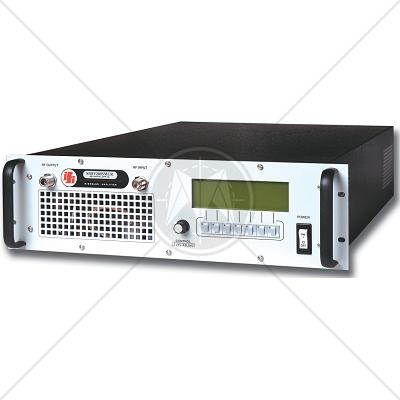
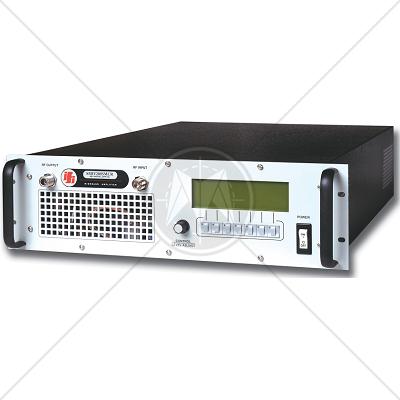
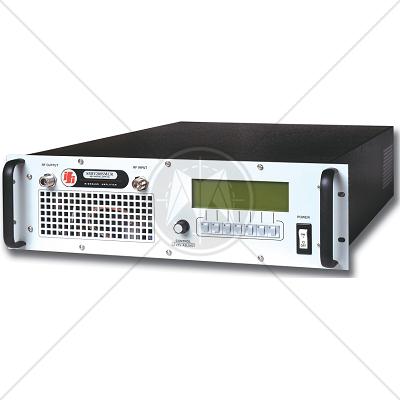
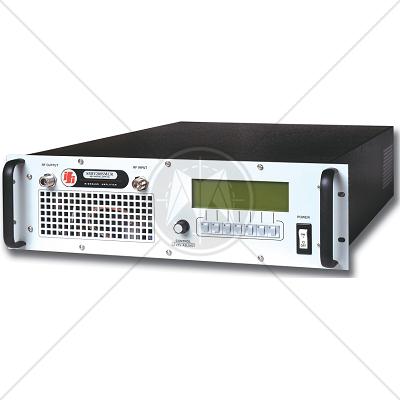
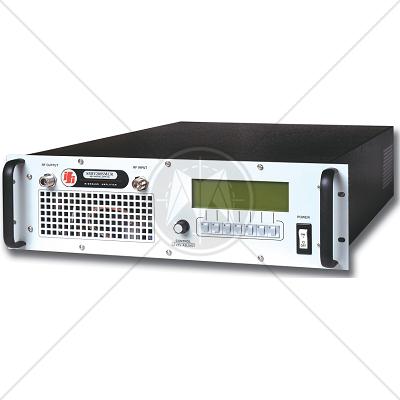
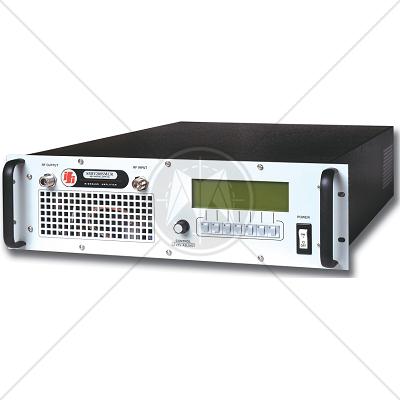
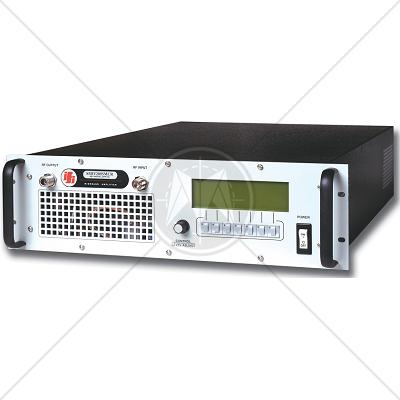
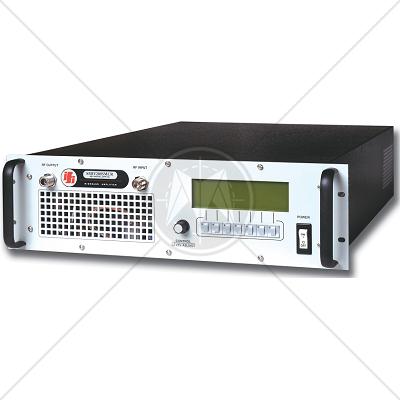
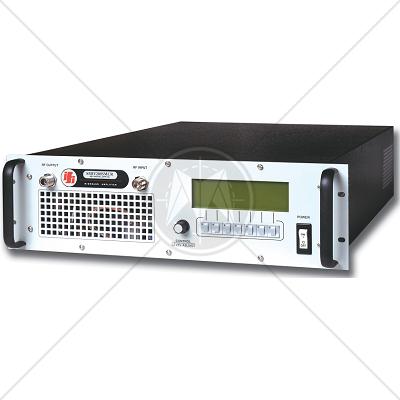
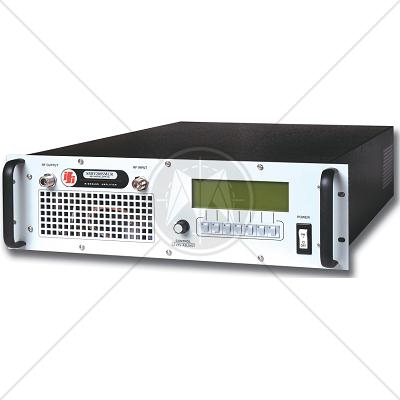
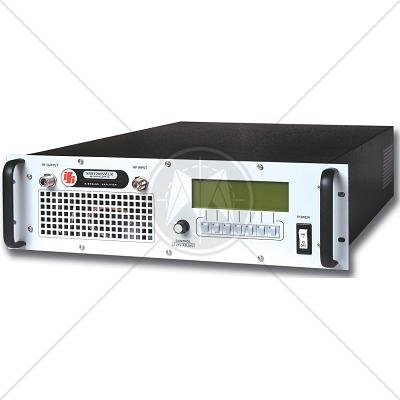
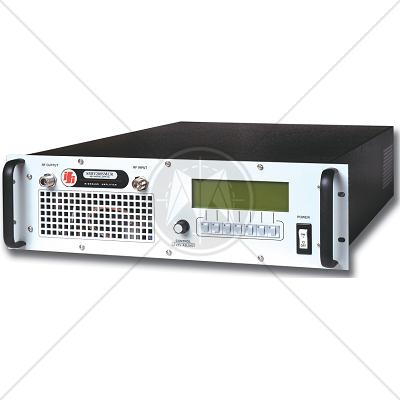
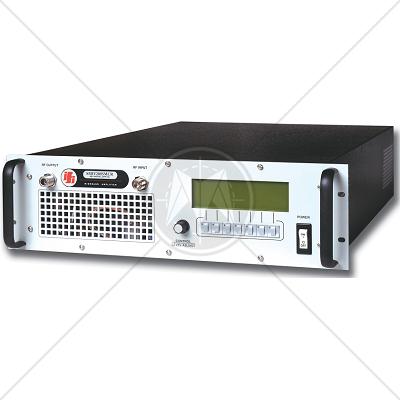
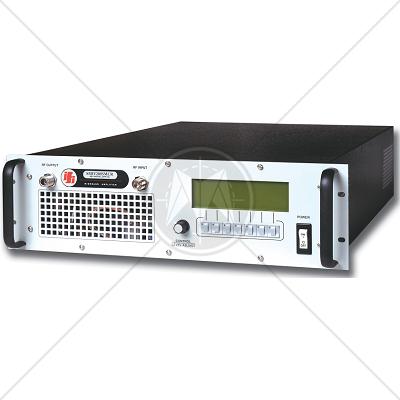
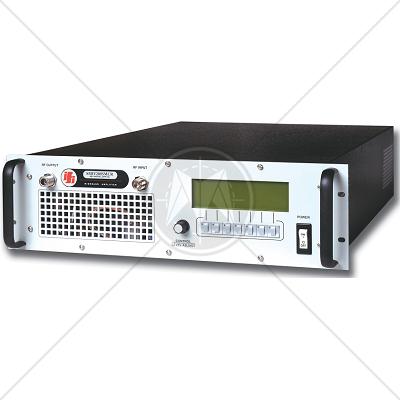
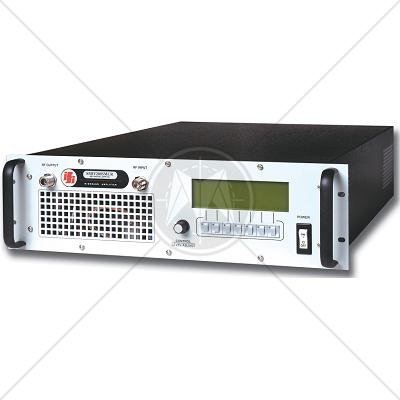
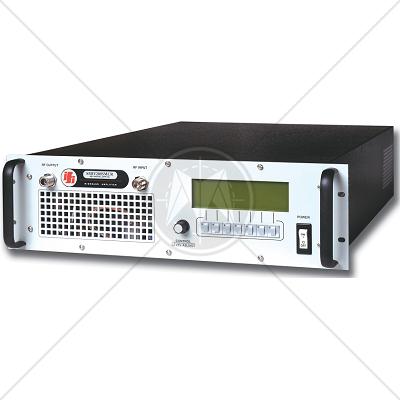
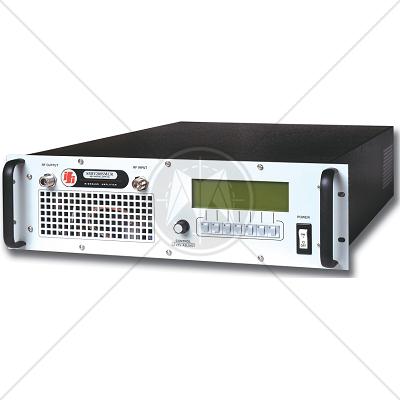
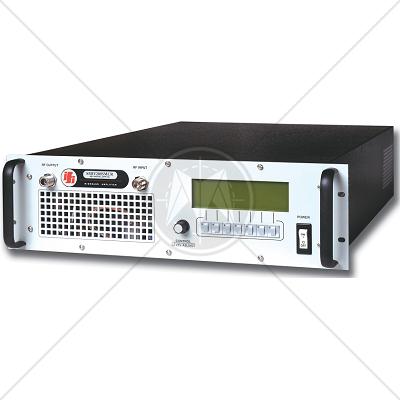
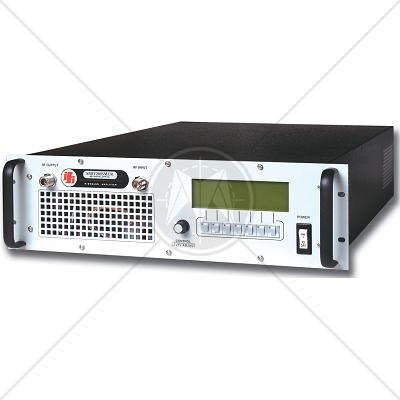
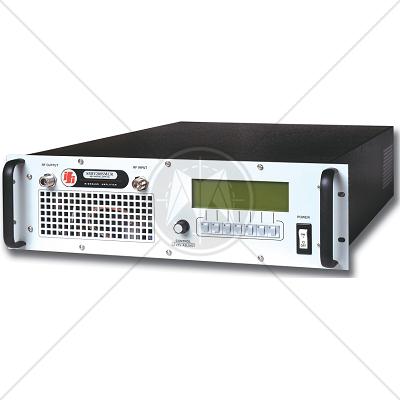
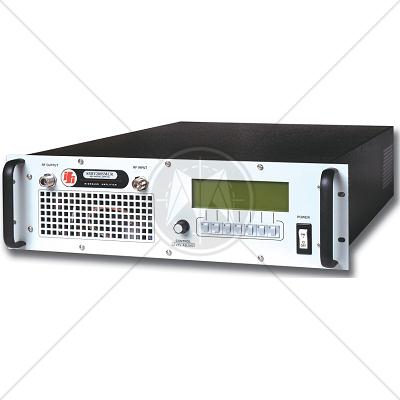
RF Amplifier
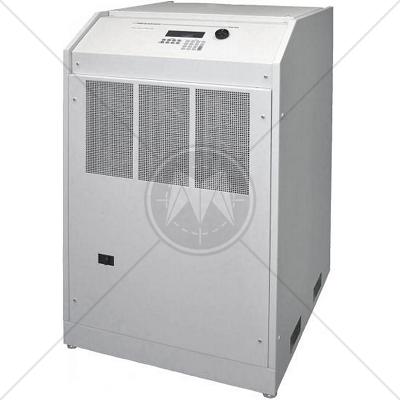
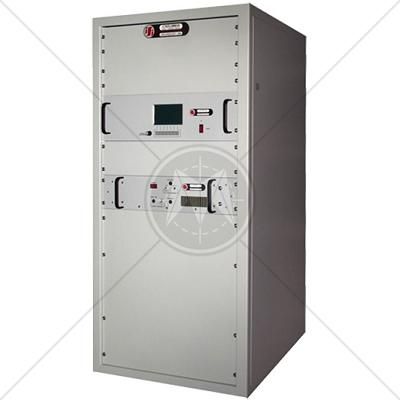
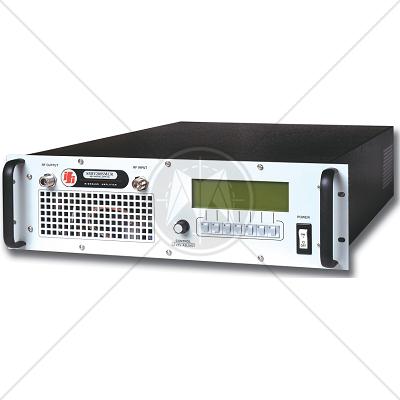
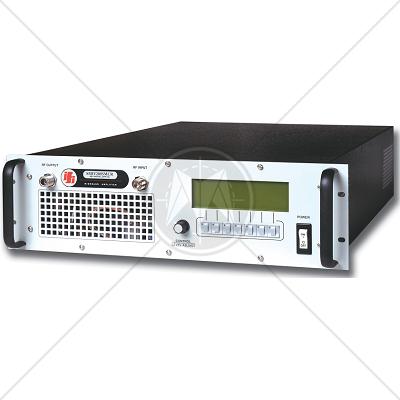
A tuned amplifier that amplifies the high-frequency signals commonly used in radio communications. The frequency at which maximum gain occurs in a radio-frequency (RF) amplifier is made variable by changing either the capacitance or the inductance of the tuned circuit. A typical application is the amplification of the signal received from an antenna before it is mixed with a local oscillator signal in the first detector of a radio receiver. The amplifier that follows the first detector is a special type of RF amplifier known as an intermediate-frequency (i-f) amplifier.
An RF amplifier is distinguished by its ability to tune over the desired range of input frequencies. The shunt capacitance, which adversely affects the gain of a resistance-capacitance coupled amplifier, becomes a part of the tuning capacitance in the rf amplifier, thus permitting high gain at radio frequencies. The power gain of an rf amplifier is always limited at high radio frequencies, however.


|
|
|
|
|
|
|
|
|
|
|
|
|
|
|
|
|
|
|
|
|
|
|
|
|
|
|
|
|
|
|
|
|
|
|
|
|
|
|
|
|
|
|
|
|
|
|
|
|
|
|
|
|
|
|
|
|
|
|
|
Standards
|
CISPR 11 |
|
CISPR 14 - 1 |
|
CISPR 14 - 2 |
|
CISPR 14 - 2 |
|
CISPR 16 - 1 |
|
CISPR 16 - 2 |
|
CISPR 16 - 3 |
|
CISPR 16 - 4 |
|
CISPR 22 |
|
CISPR 24 |
|
IEC/TR EN 61000 - 1 - 1 |
|
IEC/TR EN 61000 - 2 - 1 |
|
IEC/TR EN 61000 - 2 - 3 |
|
IEC EN 61000 - 3 - 2 |
|
IEC EN 61000 - 3 - 4 |
|
IEC/TC EN 61000 - 3 - 5 |
|
IEC EN 61000 - 4 - 2 |
|
IEC EN 61000 - 4 - 3 |
|
IEC EN 61000 - 4 - 4 |
|
IEC EN 61000 - 4 - 5 |
|
IEC EN 61000 - 4 - 6 |
|
IEC EN 61000 - 4 - 7 |
|
IEC EN 61000 - 4 - 8 |
|
IEC EN 61000 - 4 - 9 |
|
IEC EN 61000 - 4 - 11 |
|
EN 50 081 part 1 |
|
EN 50 081 part 2 |
|
EN 55 011 |
|
EN 55 013 |
|
EN 55 014 |
|
EN 55 015 |
|
EN 55 020 |
|
EN 55 022 |
|
EN 55 024 |
|
EN 50 082 part 1 |
|
EN 50 082 part 2 |
|
EN 50 093 |
|
FCC Part 15 |
|
MIL-STD - 461E |